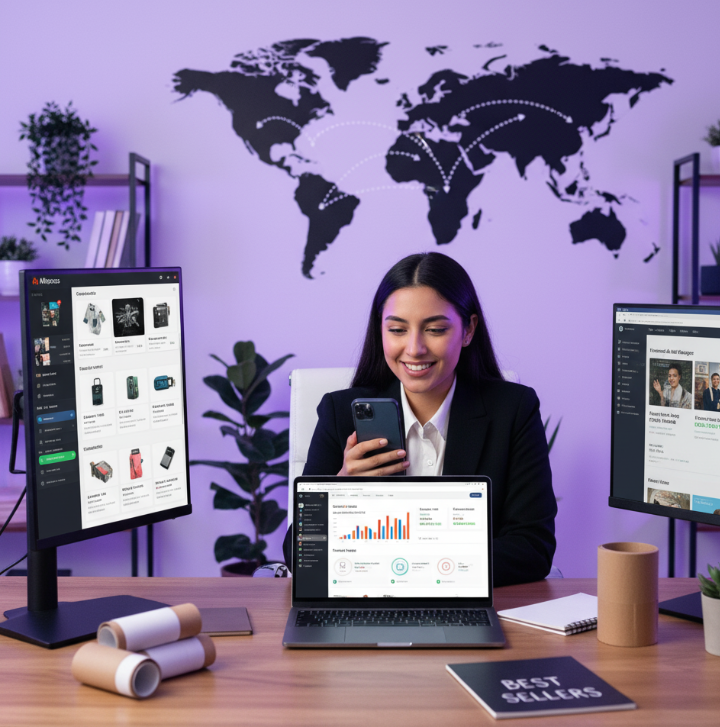
Dropshipping represents one of the most accessible entry points into ecommerce entrepreneurship. This business model allows you to sell products to customers without ever handling inventory, warehousing, or shipping. With the global dropshipping market expected to reach $557.9 billion by 2025, there has never been a better time to start your own online store. This comprehensive guide will show you exactly how to build a profitable dropshipping business earning $500-10,000+ per month.
🛍️ No Inventory Required!
Start your ecommerce business with as little as $50-200. Only purchase products after you've made sales and received payment from customers.
Why Choose Dropshipping?
Dropshipping offers unique advantages that make it ideal for first-time entrepreneurs and students.
💰 Low Startup Costs
Start with just a website and marketing budget. No need to invest thousands in inventory before making your first sale.
🌍 Location Freedom
Run your business from anywhere with an internet connection. Suppliers handle all product storage and shipping.
📦 No Inventory Risk
Only purchase products after customers have paid you. Avoid being stuck with unsold inventory that ties up capital.
🚀 Rapid Testing
Quickly test multiple products and niches without financial risk. Pivot easily based on what sells and what doesn't.
How Dropshipping Actually Works
Understanding the complete process is crucial for building a sustainable business.
🔄 The Dropshipping Process
A customer visits your online store and purchases a product. They pay you the retail price you've set.
You purchase the product from your dropshipping supplier at wholesale price and provide the customer's shipping details.
Your supplier packages and ships the product directly to your customer. The package typically bears your store's branding.
You retain the difference between the retail price (what customer paid) and wholesale price (what you paid supplier) as profit.
Finding Winning Products
Product selection is the most critical factor in dropshipping success.
Problem-Solving Products
Examples: Kitchen gadgets, organization tools, fitness equipment
Profit Margin: 300-500%
Audience: Broad, practical shoppers
Best For: Reliable, consistent sales
Trending & Viral Products
Examples: Fashion accessories, tech gadgets, home decor
Profit Margin: 400-700%
Audience: Social media users, impulse buyers
Best For: Quick revenue spikes
Evergreen Products
Examples: Jewelry, phone accessories, pet supplies
Profit Margin: 200-400%
Audience: Consistent demand year-round
Best For: Building long-term business
Niche Products
Examples: Hobby supplies, specialized tools, unique gifts
Profit Margin: 500-1000%
Audience: Passionate, dedicated communities
Best For: Lower competition, loyal customers
Dropshipping Platform Comparison
Choosing the right platforms dramatically impacts your supplier quality and shipping times.
| Platform | Shipping Times | Product Quality | Beginner Friendly | Integration | Best For |
|---|---|---|---|---|---|
| AliExpress | 15-30 days | Variable | ★★★★★ | Oberlo, DSers | Beginners, product testing |
| Spocket | 7-14 days | Good | ★★★★☆ | Shopify app | US/EU suppliers, faster shipping |
| SaleHoo | 7-21 days | Good | ★★★☆☆ | Manual | Vetted suppliers, wholesale prices |
| Modalyst | 10-20 days | Good | ★★★★☆ | Shopify app | Fashion, lifestyle products |
| Printful | 5-7 days | Excellent | ★★★★★ | Shopify app | Print-on-demand, custom products |
| Wholesale Suppliers | 3-7 days | Excellent | ★★☆☆☆ | Manual | Established stores, bulk orders |
Step 1: Niche Selection & Market Research (First 14 Days)
Proper research prevents wasted time and money on unprofitable niches.
🎯 Market Research Framework
Choose a specific demographic with shared interests and problems. Examples: "College students interested in sustainable living" or "Working parents needing time-saving products." The more specific, the better your marketing will perform.
Research existing stores in your niche, search volume for related keywords, and social media engagement. Look for gaps where you can provide unique value or better customer experience.
Test potential products through small Facebook ad campaigns, social media polls, or by analyzing Amazon bestsellers. Focus on products with proven demand and good profit margins.
Account for all costs: product cost, shipping, payment processing fees, advertising, and platform fees. Aim for at least 30% net profit margin after all expenses.
Step 2: Store Setup & Supplier Integration (Next 21 Days)
Professional store design and reliable suppliers are crucial for conversion rates.
| Platform | Monthly Cost | Ease of Use | Features | Best For | Integration |
|---|---|---|---|---|---|
| Shopify | $29-299 | ★★★★★ | All-in-one solution | Beginners, scaling businesses | Oberlo, Spocket, Modalyst |
| WooCommerce | $10-50 | ★★★☆☆ | Highly customizable | WordPress users, developers | Manual, plugins |
| BigCommerce | $29-299 | ★★★★☆ | Enterprise features | Growing businesses, B2B | APIs, apps |
| Wix eCommerce | $23-49 | ★★★★★ | Drag-and-drop builder | Design-focused stores | Limited integrations |
Realistic Income Expectations
Understanding potential earnings helps set appropriate goals and expectations.
Beginner Phase
Months 1-3
Monthly Revenue: $0 - $1,000
Focus: Learning, testing, first sales
Products: 3-5 test products
Key Goal: First 10 sales
Growth Phase
Months 4-12
Monthly Revenue: $1,000 - $10,000
Focus: Scaling winners, optimization
Products: 1-3 winning products
Key Goal: Consistent $100/day
Established Phase
Year 2+
Monthly Revenue: $10,000 - $50,000+
Focus: Brand building, automation
Products: 5-15+ products
Key Goal: Sustainable business
Marketing & Customer Acquisition
Even the best products need effective marketing to reach customers.
📈 Essential Marketing Channels
- Facebook & Instagram Ads: Target specific demographics and interests with visual content
- Google Shopping Ads: Show products to people actively searching for similar items
- Influencer Marketing: Partner with relevant influencers to showcase your products
- Content Marketing: Create valuable content that attracts your ideal customers organically
- Email Marketing: Build an email list and nurture relationships with potential customers
- Social Media Organic: Engage with your audience and build community around your brand
- SEO Optimization: Optimize your store for search engine visibility
- Retargeting Campaigns: Re-engage visitors who didn't purchase on their first visit
Essential Dropshipping Tools
Professional dropshippers leverage specific tools to streamline operations.
| Tool Category | Free Options | Premium Options | Monthly Cost | Best For |
|---|---|---|---|---|
| Store Platform | WooCommerce | Shopify, BigCommerce | $0 - $299 | All store types |
| Product Research | Google Trends, AliExpress | Jungle Scout, EcomHunt | $0 - $99 | Finding winning products |
| Supplier Integration | Oberlo Basic | Spocket, Modalyst Pro | $0 - $99 | Automating orders |
| Email Marketing | Mailchimp Free | Klaviyo, Omnisend | $0 - $199 | Customer retention |
| Analytics | Google Analytics | TripleWhale, Northbeam | $0 - $299 | Performance tracking |
90-Day Dropshipping Launch Plan
Weeks 1-3: Research & Planning
- Choose your niche and validate product ideas
- Research competitors and pricing strategies
- Set up Shopify store with professional theme
- Establish supplier relationships and test order process
Weeks 4-8: Store Launch & Initial Testing
- Add 3-5 initial products with professional photos and descriptions
- Launch small Facebook/Instagram ad campaigns ($5-10/day)
- Optimize product pages based on initial customer feedback
- Set up email marketing and social media accounts
Weeks 9-12: Scaling & Optimization
- Double down on winning products that generate sales
- Increase ad budgets for profitable campaigns
- Implement customer retention strategies (email, loyalty programs)
- Analyze data and refine your overall strategy
💡 Winning Product Criteria
Problem Solver: Solves a specific problem or fulfills a strong desire
Impulse Purchase: $20-75 price point that doesn't require much consideration
Visual Appeal: Looks great in photos and videos
Lightweight & Small: Low shipping costs from suppliers
Not Available Locally: Unique enough that customers can't easily find it elsewhere
Common Dropshipping Mistakes to Avoid
- Choosing Oversaturated Niches: Competing in markets with thousands of identical stores
- Poor Product Quality: Not ordering samples to verify supplier quality
- Slow Shipping Times: Using suppliers with 30+ day shipping without customer warning
- Insufficient Profit Margins: Not accounting for all costs before setting prices
- No Customer Service Plan: Being unprepared to handle returns and customer issues
- Copying Competitors Exactly: Not differentiating your store and brand
- Giving Up Too Early: Most successful stores take 3-6 months to become profitable
- Overspending on Advertising: Not properly tracking ROI on marketing campaigns
Advanced Dropshipping Strategies
Once you've established a successful store, consider these growth strategies.
🏪 Multiple Store Expansion
Launch additional stores in different niches using your proven systems and processes. Diversifies income streams.
📦 Private Label & Branding
Work with suppliers to create custom branded versions of your best-selling products. Increases perceived value and customer loyalty.
🤝 Hybrid Inventory Model
Keep small quantities of your best-selling products in local storage for faster shipping. Combines dropshipping benefits with faster delivery.
🌐 International Expansion
Target customers in different countries using localized suppliers. Expands your total addressable market significantly.
Conclusion
Dropshipping offers one of the most accessible paths to ecommerce entrepreneurship, allowing you to start a business with minimal upfront investment while learning valuable skills in marketing, customer service, and business management. While success requires dedication and continuous learning, the potential for location independence and scalable income makes this an incredibly rewarding pursuit.
Remember: Every successful dropshipper started with their first store and first sale. Your persistence, willingness to learn, and attention to customer experience will transform you from beginner to successful ecommerce entrepreneur.